
Finding rust on your tools can be frustrating, especially when they appeared clean when you stored them.
Garages, sheds and toolboxes can expose metal tools to moisture, condensation and changing temperatures. Over time, this can cause spanners, pliers, secateurs, drill chucks and other metal components to develop rust or become stiff and difficult to use.
At Rocket TT, we developed our Rocket TT Super Lubricant to lubricate moving parts, displace moisture and help protect suitable metal surfaces against rust and corrosion.
Combined with regular cleaning and dry storage, Rocket TT can help keep your tools protected and ready for their next job.
Why Do Tools Rust in a Garage or Shed?
Rust forms when iron or steel is exposed to moisture and oxygen.
Your garage or shed does not need to have an obvious leak for tools to start rusting. Moisture can enter through damp air, condensation, wet garden equipment and rapid changes in temperature.
Common causes of rusty tools include:
Storing tools while they are still wet
Leaving soil or plant residue on garden tools
Keeping tools in a damp or poorly ventilated shed
Condensation forming on cold metal
Storing toolboxes directly on concrete floors
Leaving dirt and grease on tools after use
Failing to protect exposed metal during storage
Moisture and salts transferred from your hands can remain on untreated metal surfaces, so wiping tools after use is an important part of regular maintenance.
How to Stop Tools Rusting
1. Clean Your Tools After Use
Always remove dirt, dust, grease, soil and plant residue before storing your tools.
Use a clean cloth or soft brush to remove loose contamination. Pay particular attention to joints, pivots, springs, threads and recessed areas where dirt and moisture can become trapped.
Garden tools should be cleaned after contact with wet soil, grass or plant material.
2. Dry Tools Thoroughly
Never place wet tools inside a closed toolbox or cabinet.
Dry the entire surface using a clean cloth. Open moving tools such as pliers, secateurs and adjustable spanners so you can reach the joints and contact points.
If a tool has been exposed to heavy rain, leave it somewhere ventilated until it is completely dry.
3. Check for Early Signs of Rust
Inspect your tools regularly for:
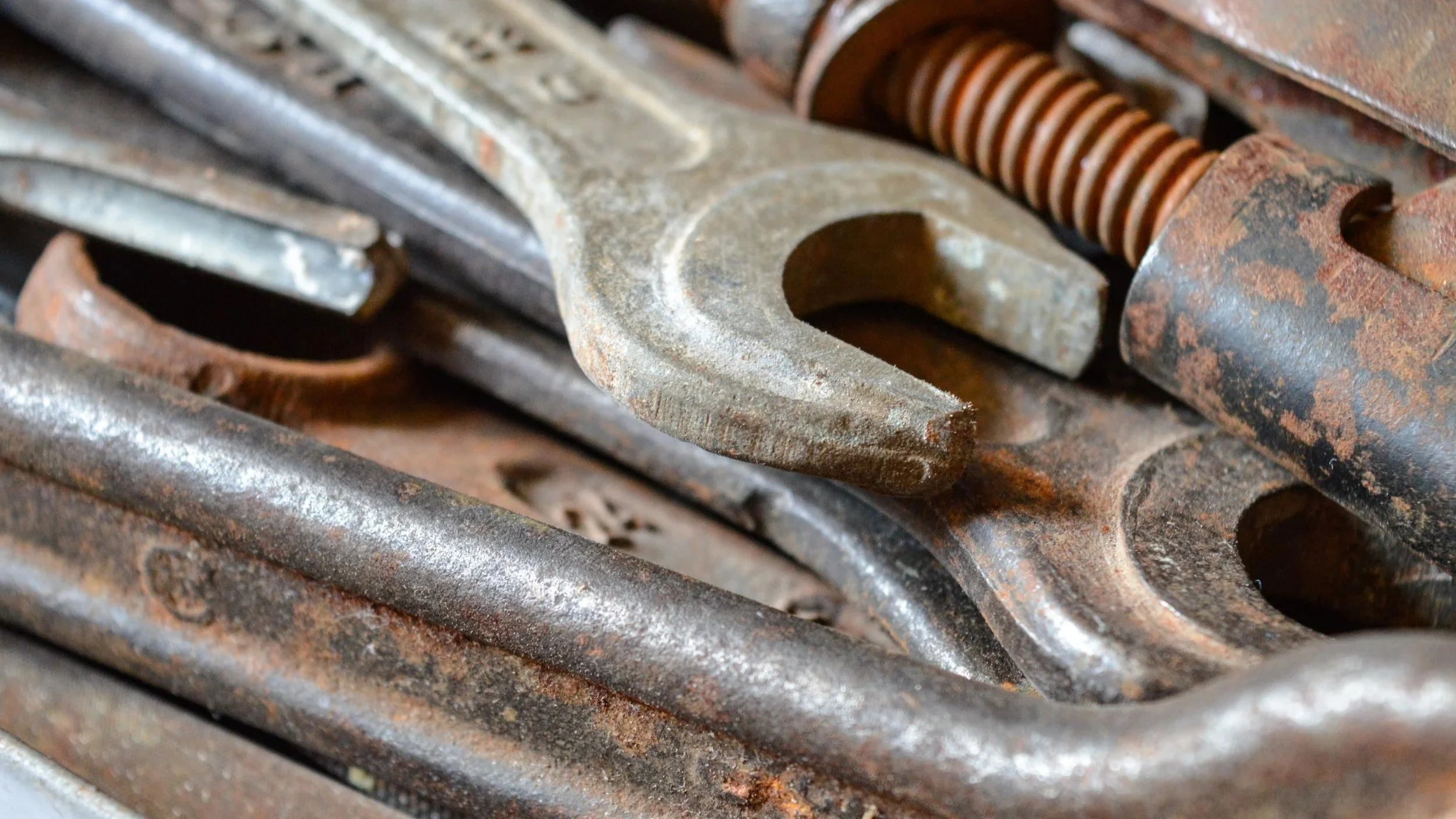
Orange or brown marks
Rough metal surfaces
Stiff moving parts
Discolouration
Flaking coatings
Squeaking or grinding
Small patches of surface rust are usually easier to manage than deep corrosion. Tools that are badly rusted, cracked or structurally weakened may no longer be safe to use.
4. Apply Rocket TT Super Lubricant
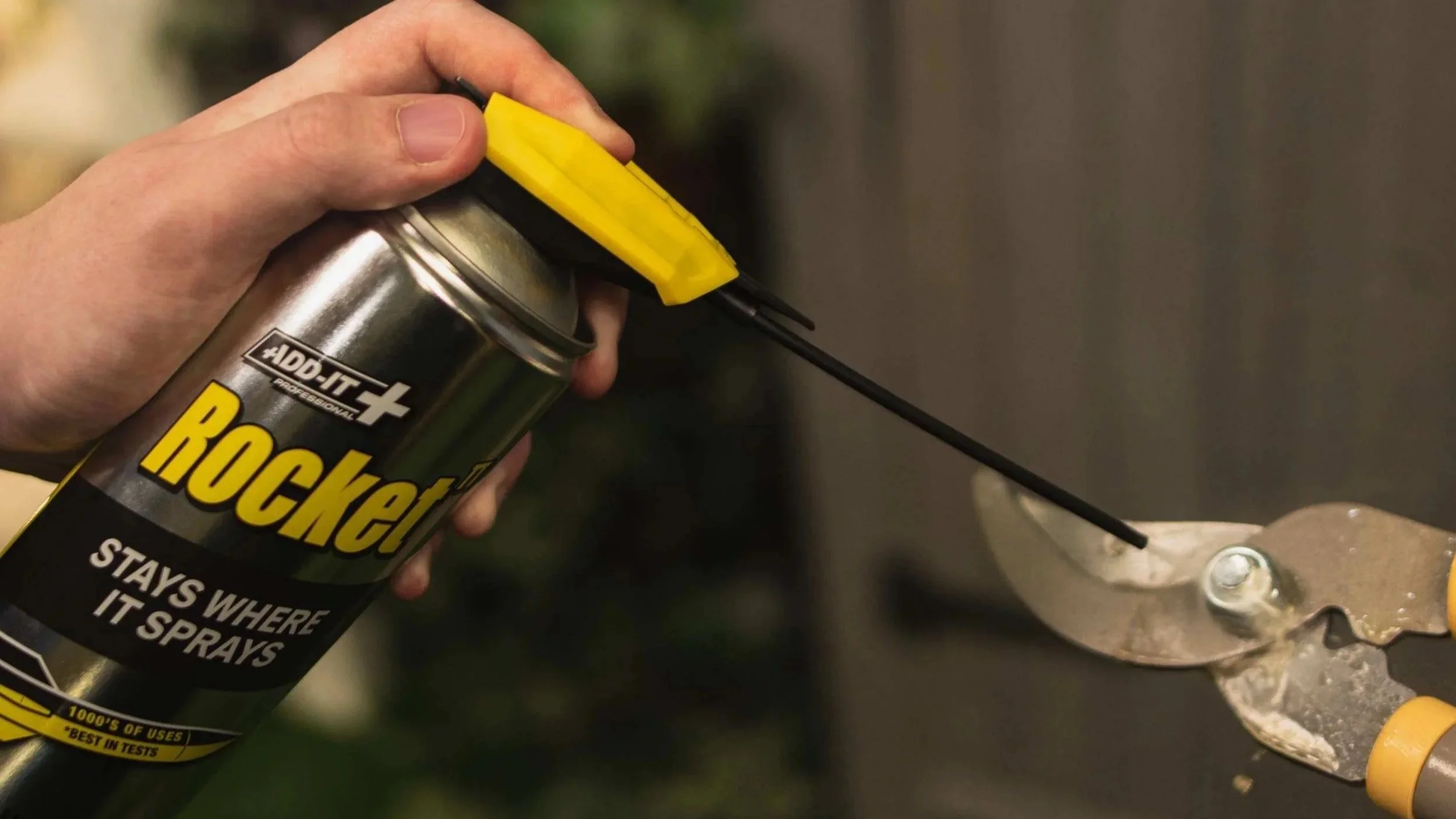
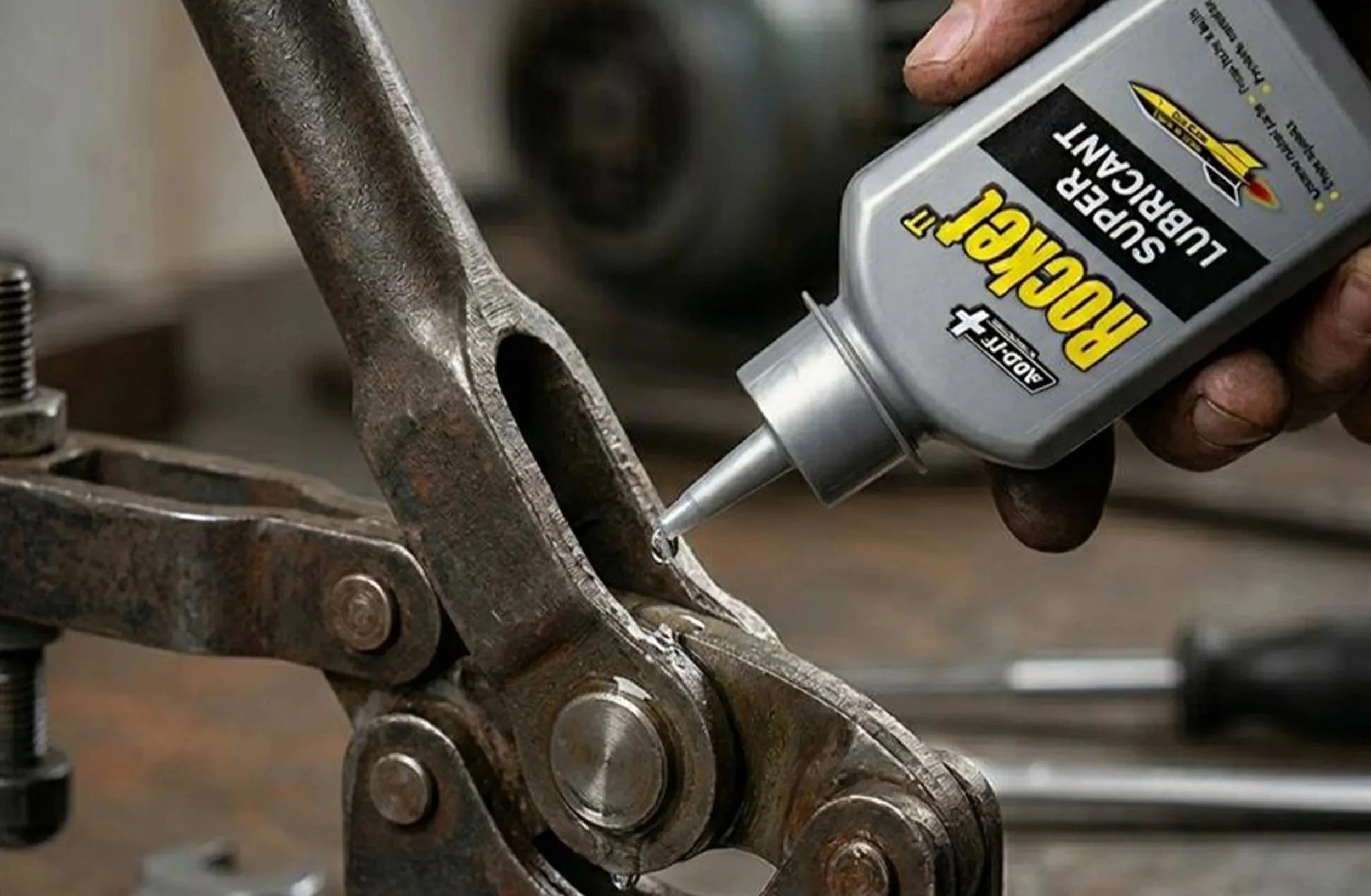
Once the tool is clean and dry, apply a controlled amount of our Rocket TT Super Lubricant to suitable exposed metal and moving components.
Our light, gel-like formula is designed to cling to the treated area instead of immediately running away. It leaves a water-resistant, anti-corrosion film that helps displace moisture and protect suitable metal surfaces.
Rocket TT can be used on suitable:
Pliers and cutters
Adjustable spanners
Secateurs and shears
Clamps and vices
Drill chucks
Hinges and springs
Tool joints
Nuts, bolts and screws
Metal runners and mechanisms
Use the precision Super Tube to apply Rocket TT directly into narrow joints and moving parts. Move the mechanism backwards and forwards after application to help distribute the lubricant, then wipe away any unnecessary excess.
How to Store Tools in a Garage or Shed
Correct storage is just as important as lubrication.
To help prevent your tools from rusting:
Keep tools inside a closed toolbox or cabinet
Raise storage units away from damp floors
Avoid placing tools directly against exterior walls
Repair roof, window or door leaks
Keep ventilation openings clear
Do not store wet garden equipment beside hand tools
Check rarely used tools throughout winter
Clean and protect tools before long-term storage
Concrete floors can hold moisture and remain cold, increasing the risk of condensation inside toolboxes stored directly on them. Shelving, wall-mounted storage or raised cabinets can help reduce this exposure.
Our guide to maintaining garden tools with Rocket TT Super Lubricant provides additional advice for secateurs, shears, loppers and outdoor equipment.
What Should You Do with a Rusty Tool?
If light surface rust has already appeared, remove it using a method suitable for the tool and its finish.
After removing the rust:
Inspect the tool for damage.
Clean away loose residue.
Dry the surface completely.
Apply Rocket TT to suitable metal and moving parts.
Move adjustable components to distribute the lubricant.
Wipe away excess product.
Store the tool somewhere dry.
Our Super Lubricant can also help loosen suitable stiff or corroded mechanisms. However, it cannot restore metal that has been severely damaged or weakened.
For stubborn fixings, read our guide to loosening stuck nuts, bolts and screws with Rocket TT.
Frequently Asked Questions
Can Tools Rust Inside a Toolbox?
Yes. Moisture can become trapped inside a toolbox if damp tools are stored in it. Condensation may also form when the surrounding temperature changes.
Does Lubricating Tools Help Prevent Rust?
A suitable lubricant can help create a barrier between metal and moisture. For the best protection, combine lubrication with regular cleaning, thorough drying and dry storage.
Can Rocket TT Be Used on Hand Tools?
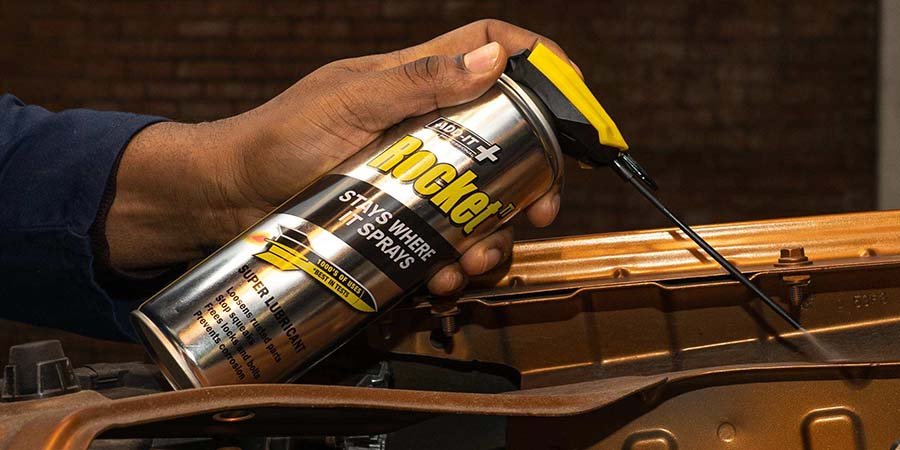
Our Rocket TT Super Lubricant can be used on suitable hand tools and moving metal components, including pliers, spanners, clamps, vices, hinges and pivots.
Keep Your Tools Protected with Rocket TT
Preventing tool rust is easier than dealing with severe corrosion later.
Clean your tools after use, dry them thoroughly and store them away from damp floors, walls and leaking areas. Applying our Rocket TT Super Lubricant to suitable exposed metal and moving components can provide additional water-resistant, anti-corrosion protection.
Explore our full Rocket TT product range or visit our Where to Buy page to find your nearest Rocket TT stockist.
Rocket TT: Stays Where It Sprays.