
How to Safely Clean Electrical Contacts
Electrical switches, connectors and terminals can collect dirt, grease, dust and light oxidation over time. This contamination may interfere with the connection between components and cause switches, plugs or electrical equipment to operate inconsistently.
Knowing how to clean electrical contacts correctly can help remove this unwanted contamination without leaving behind the oily coating produced by a standard lubricant.
In this guide, we explain how to clean electrical contacts safely, when to use electrical contact cleaner and which warning signs could indicate that a component requires professional repair rather than cleaning.
What Is Electrical Contact Cleaner?
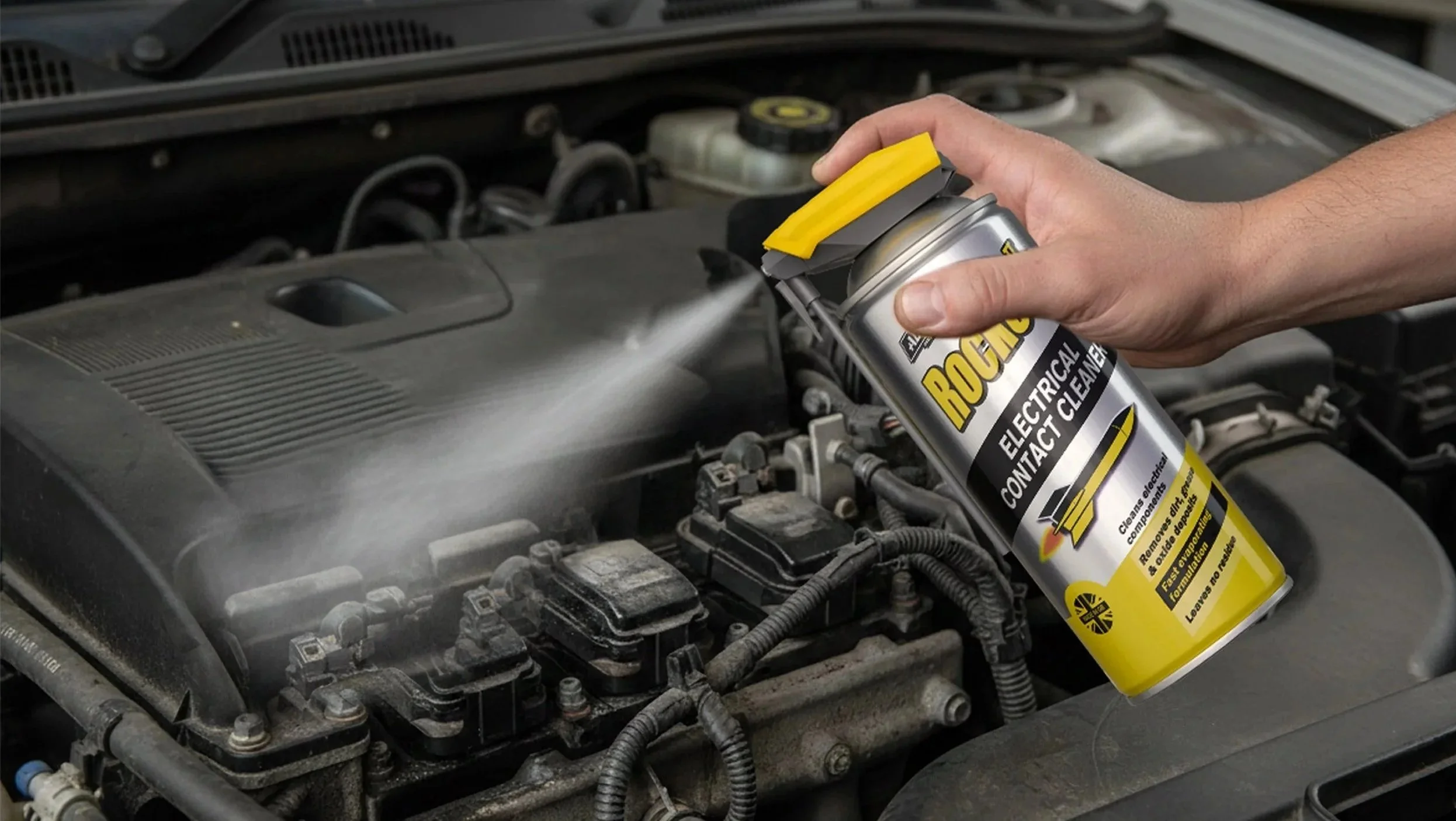
Electrical contact cleaner is a specialist product formulated for cleaning compatible electrical contacts and components.
Unlike a general-purpose lubricant, it is designed to evaporate quickly after application and leave little or no residue. This makes it suitable for removing dirt, grease and light oxide deposits from appropriate electrical connections.
Rocket TT Electrical Contact Cleaner can be used on compatible:
Electrical switches
Plugs and connectors
Terminals
Ignition components
Relays
Printed circuit boards
Automotive electrical connections
General electrical contacts
Always check the component manufacturer’s instructions before applying electrical contact cleaner.
Signs Electrical Contacts May Need Cleaning
Electrical connections are often hidden inside plugs, switches or equipment housings, making contamination difficult to notice.
Possible signs of dirty electrical contacts include:
Intermittent switch operation
A connector that needs repositioning repeatedly
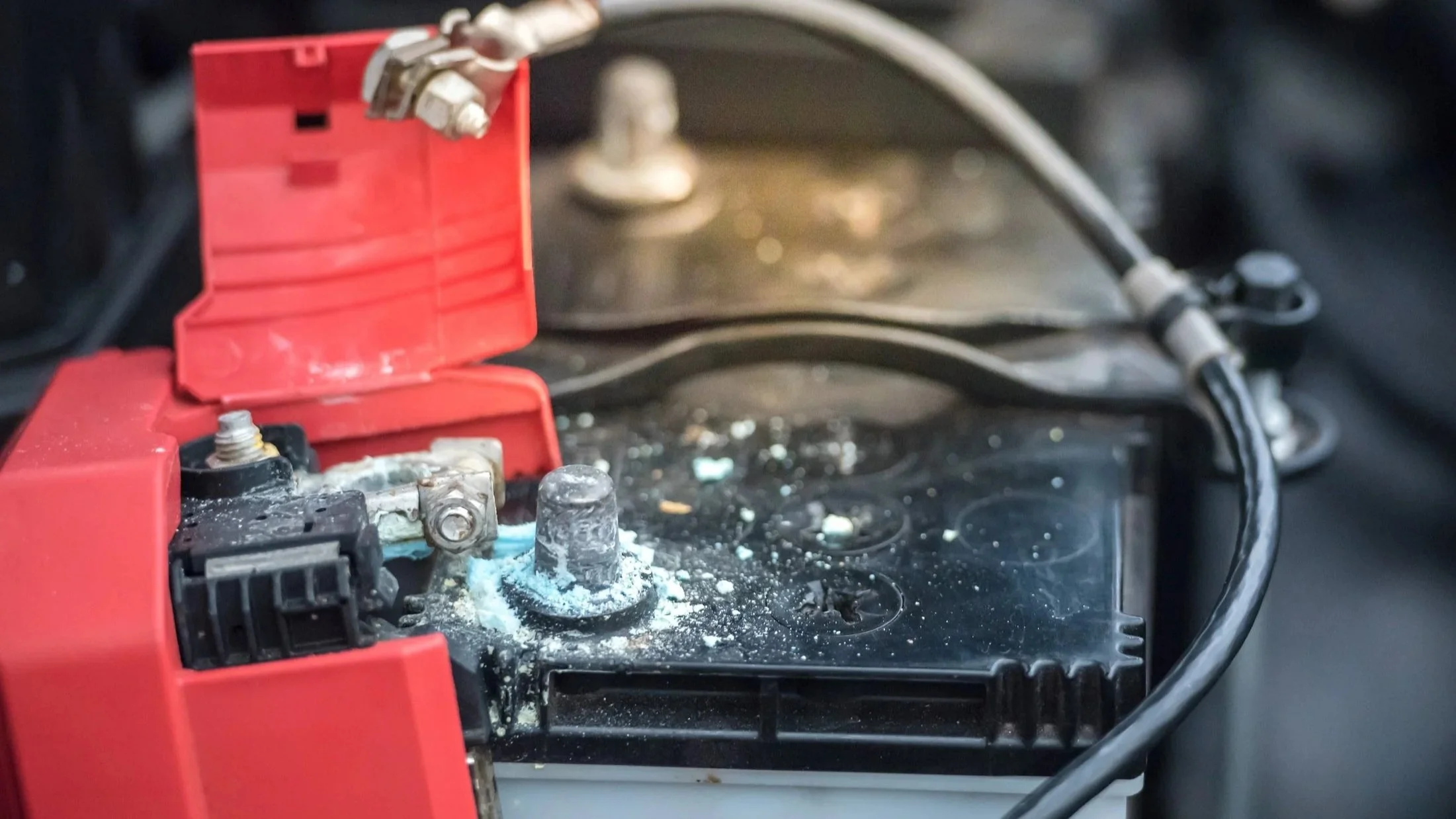
Visible dirt or grease around terminals
Light oxidation on metal contacts
Unresponsive buttons or controls
Unreliable operation from a compatible connector
Contamination around an automotive electrical plug
These symptoms can also be caused by damaged wiring, broken components or serious corrosion. Cleaning should never be treated as a guaranteed repair for an electrical fault.
How to Clean Electrical Contacts
1. Disconnect the Power
Before cleaning electrical contacts, switch off the equipment and disconnect it from its power source.
Unplug mains-powered equipment completely. For vehicle electrical connections, consult the vehicle manufacturer’s instructions before disconnecting the battery or working around electrical components.
Never spray electrical contact cleaner onto live or powered equipment.
2. Access the Electrical Connection
Carefully disconnect or open the component according to its manufacturer’s instructions.
Do not force plastic clips, plugs or connector housings apart. Damaged retaining clips may prevent the connection from fitting securely afterwards.
3. Inspect the Contacts
Look for:
Loose terminals
Burn marks
Melted plastic
Broken pins
Heavy corrosion
Damaged insulation
Moisture
Dirt or grease
Burnt, melted or badly corroded electrical components should normally be replaced or inspected by a qualified technician.
4. Remove Loose Dirt
Use a clean, dry brush or another manufacturer-approved method to remove accessible dust and loose debris.
Avoid pushing contamination deeper inside the connection.
5. Apply Electrical Contact Cleaner
Shake the can according to the product instructions and apply a controlled amount of Rocket TT Electrical Contact Cleaner directly to the appropriate contact area.
Use the precision applicator where necessary to reach small connectors and reduce overspray.
The objective is to clean the contact—not completely flood the surrounding component.
6. Allow the Component to Dry
Wait until the electrical contact cleaner has evaporated completely.
Do not reconnect the power while the component is still wet. Drying time can vary depending on the amount used, the temperature and the design of the component.
7. Reconnect and Test
Once everything is completely dry, reconnect the component carefully.
Restore power according to the manufacturer’s instructions and test whether the connection now operates correctly.
If the fault continues, further diagnosis may be required.
Can You Use Normal Lubricant on Electrical Contacts?
A standard lubricant should not normally be used as a substitute for electrical contact cleaner.
Conventional lubricant can leave an oily film that attracts dust and contamination. This residue may be unsuitable for switches, terminals, connectors and printed circuit boards.
Use a specialist, fast-evaporating electrical contact cleaner for suitable electrical connections.
When Should an Electrical Component Be Replaced?
Cleaning may help when a problem is caused by dirt, grease or light oxidation. It cannot repair:
Broken connector pins
Burnt terminals
Melted housings
Loose wiring
Cracked insulation
Severe corrosion
Internal component failure
Stop using equipment that appears unsafe and contact a qualified electrician, technician or mechanic where necessary.
Use products in a well-ventilated area, keep it away from flames, sparks and hot surfaces, and follow all safety precautions shown on the product label.
Frequently Asked Questions
Does electrical contact cleaner remove corrosion?
Electrical contact cleaner may help remove light oxide deposits and surface contamination. It will not restore badly corroded, weakened or damaged terminals.
Does electrical contact cleaner need to dry?
Yes. The component must be completely dry before it is reconnected to power.
Keep Electrical Connections Clean
Learning how to clean electrical contacts safely can help maintain compatible switches, connectors, terminals and electronic components.
Rocket TT Electrical Contact Cleaner provides a fast-evaporating, residue-free way to remove suitable dirt, grease and oxide deposits. Always isolate the power, apply a controlled amount and allow the component to dry fully before reconnection.