
How to Lubricate a Bike Chain and Help Prevent Rust
A bicycle chain is constantly exposed to dirt, moisture, road grime and friction. Without regular bike chain maintenance, it can begin to squeak, feel stiff or develop signs of rust.
Cleaning and lubricating your bicycle chain helps it move more smoothly through the gears while reducing unnecessary friction between the chain links and drivetrain components.
Our Rocket TT Super Lubricant can be applied to suitable bicycle chains and moving metal parts as part of your regular bike maintenance routine.
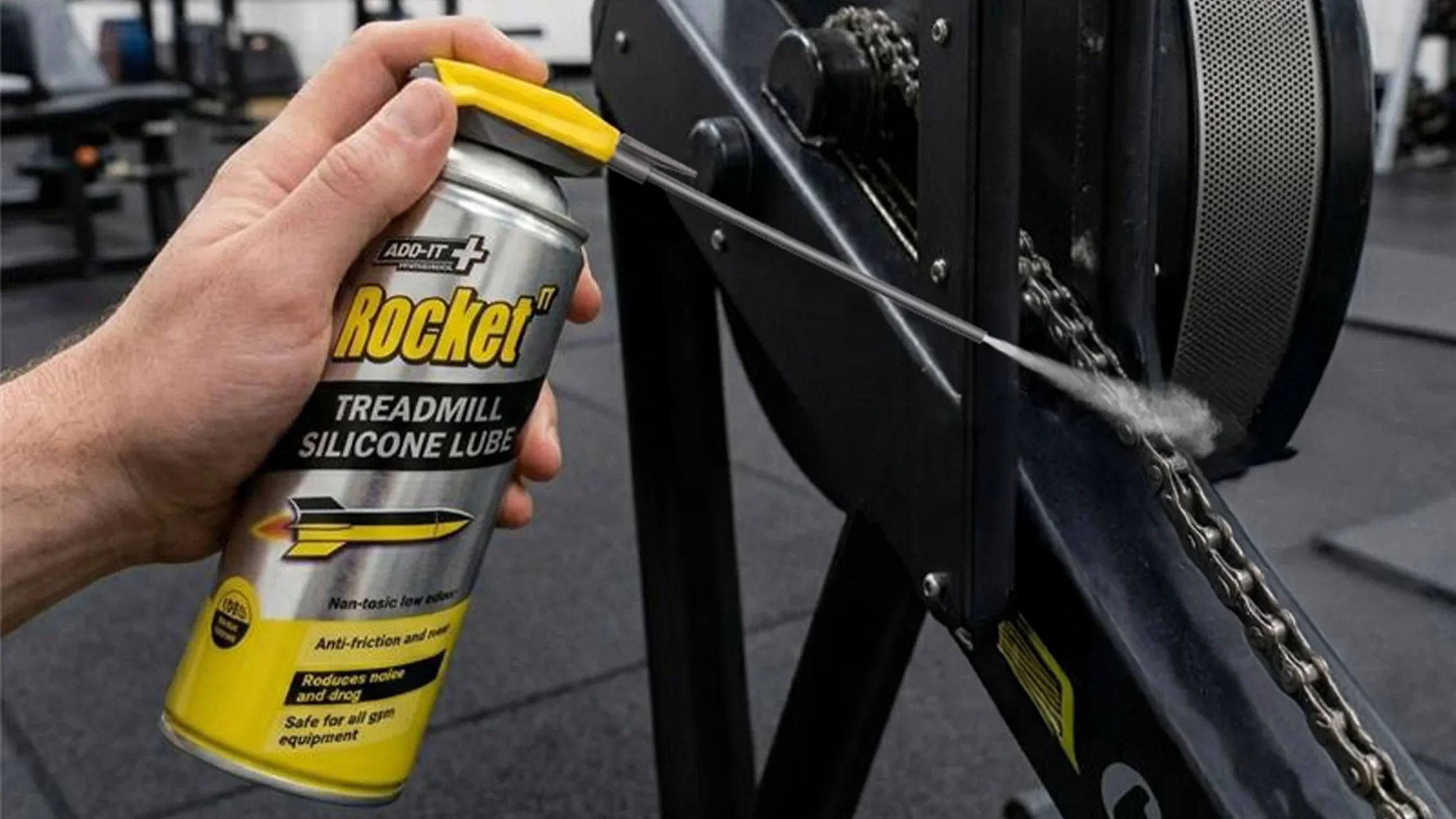
Why Is My Bike Chain Squeaking?
A squeaky bike chain is usually a sign that the chain is dry, dirty or lacking sufficient lubrication.
Common causes include:
Riding in wet or muddy conditions
Dirt building up between the chain links
Old lubricant becoming contaminated
Washing the bicycle without reapplying lubricant
Leaving the bicycle outside or in damp storage
Not using the bicycle for a long period
Surface rust beginning to form
Continuing to ride with a dry or contaminated chain can make gear changes feel less smooth and increase wear across the bicycle drivetrain.
What You Will Need
Before lubricating your bike chain, prepare:
Our Rocket TT Super Lubricant
A clean, dry cloth
A soft brush or old toothbrush
A suitable bicycle cleaner if the chain is heavily contaminated
Protective gloves
Cardboard or a cloth to protect the floor
Work in a well-ventilated area and follow all instructions provided on our product packaging.
How to Clean and Lubricate a Bike Chain
1. Position the Bicycle Safely
Place the bicycle somewhere stable where you can rotate the pedals and move the chain freely.
A bicycle repair stand is helpful, but it is not essential. You can also carefully support the bike or ask someone to hold it steady.
2. Inspect the Chain
Look closely at the chain for:
Heavy dirt
Mud
Surface rust
Stiff links
Visible damage
Excessive wear
Lubrication can help with dryness and stiffness, but a badly worn, damaged or heavily rusted chain may need to be replaced.
3. Remove Dirt and Old Residue
Use a dry cloth or soft brush to remove loose dirt from the chain.
For heavier contamination, use a suitable bicycle chain cleaner and allow the chain to dry fully before applying lubricant. Applying fresh lubricant over thick dirt can create an abrasive mixture that may contribute to further wear.
4. Apply Our Rocket TT Super Lubricant to the Chain
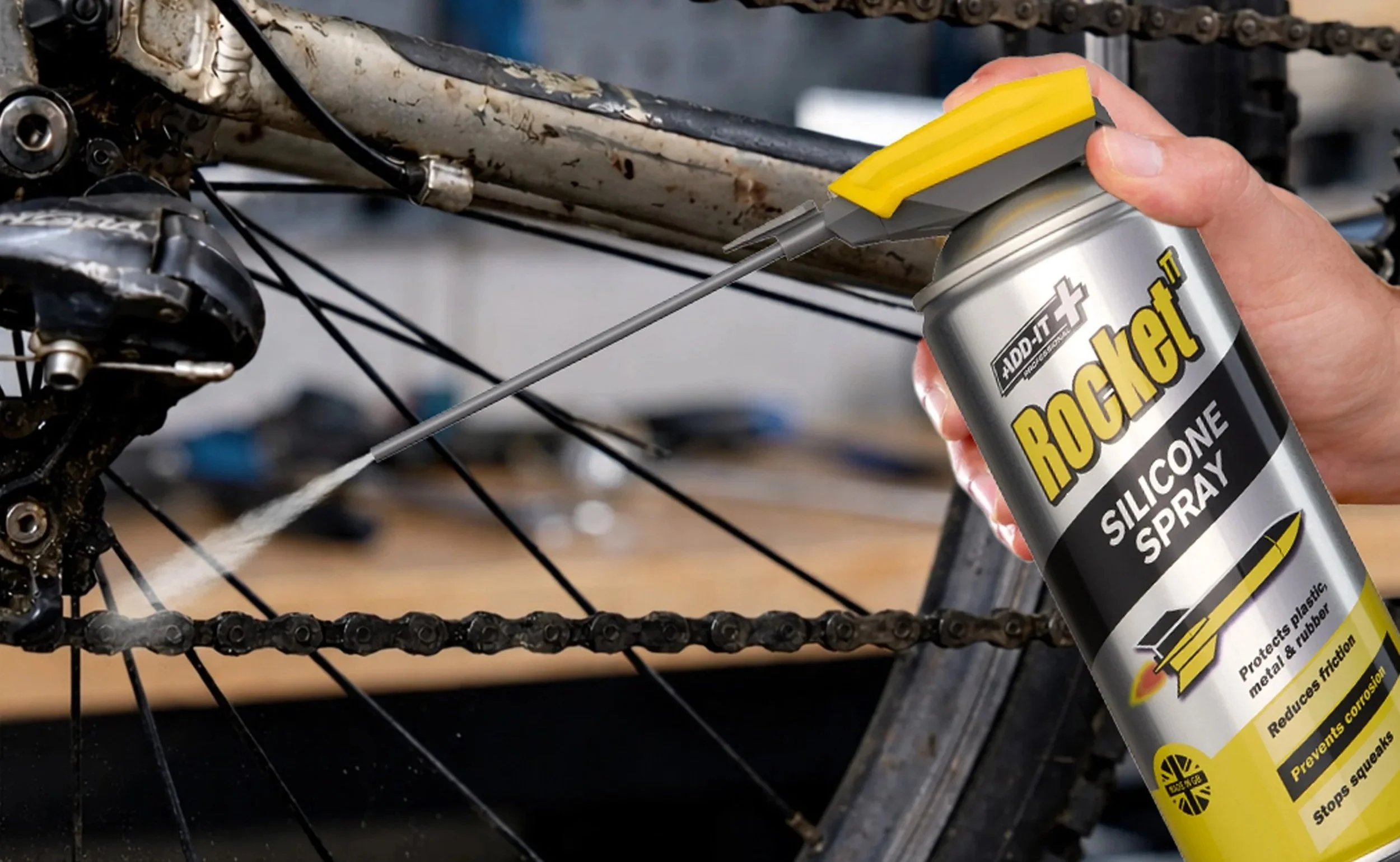
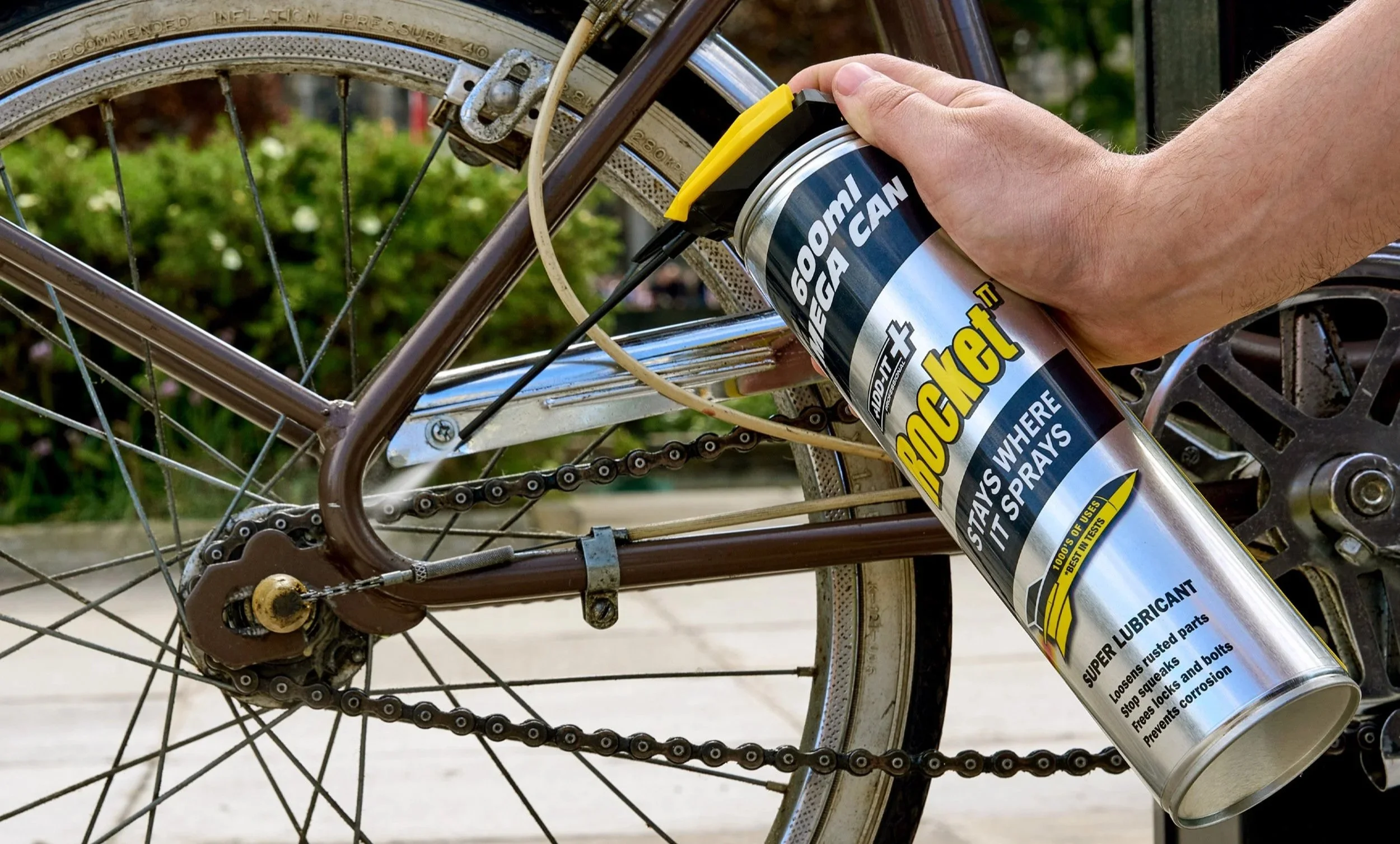
Use the precision spray tube supplied with our Rocket TT Super Lubricant to apply the product directly to the chain links while slowly rotating the pedals backwards.
Concentrate on the rollers and joints between each link rather than covering the entire bicycle. A controlled application helps our lubricant reach the moving parts while reducing unnecessary overspray.
Important: Keep our lubricant away from brake discs, brake pads, braking surfaces, wheel rims used for braking and tyres.
5. Allow the Lubricant to Work
Continue rotating the chain to help distribute the lubricant through the links and rollers.
Allow it a little time to work into the moving components before wiping away any excess.
6. Wipe Away Excess Product
Hold a clean cloth around the lower section of the chain and rotate the pedals backwards several times.
The lubricant needs to work within the chain links. A heavily coated outer surface can attract additional dirt and road debris, so wiping away excess is an important part of the process.
7. Check the Gears
Once the chain has been cleaned and lubricated, carefully change through the gears to check that the chain moves smoothly across the cassette.
If the bicycle still makes unusual noises or struggles to change gear, the gear indexing, derailleur alignment, chain condition or other drivetrain components may need to be inspected.
How to Help Prevent a Bike Chain from Rusting
Moisture is one of the main causes of bicycle chain rust. You can help protect your chain by:
Drying the bicycle after riding in rain
Cleaning off mud and road salt
Reapplying lubricant after wet rides or deep cleaning
Storing the bicycle somewhere dry
Avoiding long periods of outdoor storage
Checking the chain regularly for early signs of corrosion
A protective lubricant can help create a barrier against moisture, but regular cleaning and correct storage remain important.
How Often Should You Lubricate a Bike Chain?
There is no single schedule that works for every bicycle.
Check the chain more frequently when:
You regularly ride in wet weather
The bicycle is used off-road
The chain has recently been washed
The bike is stored in a shed or garage
Gear changes begin to feel rough
The chain begins to sound dry or squeaky
It is usually better to apply a small amount when required than to repeatedly cover the chain with excessive lubricant.
Can You Lubricate Other Bicycle Parts?
Our Rocket TT Super Lubricant may also be useful on suitable moving metal components such as:
Pedal mechanisms
Kickstand pivots
Folding bike hinges
Cable linkages
Metal fasteners
Certain derailleur pivots
Always check the bicycle manufacturer’s instructions before applying our product to a specialist component.
Do not apply our lubricant to braking surfaces, tyres, grips, saddles or areas where reduced friction could create a safety risk.
Frequently Asked Questions
Can Rocket TT Be Used on a Bike Chain?
Yes, our Rocket TT Super Lubricant can be used on suitable bicycle chains to reduce friction, support smoother movement and help protect metal components against moisture and corrosion.
Will Lubricant Fix a Rusty Bike Chain?
Lubricant may help loosen mildly stiff links and protect against further moisture exposure. However, a severely rusted, damaged or excessively worn chain should be inspected and may need replacing.
Why Is My Bike Chain Still Squeaking After Lubrication?
The chain may still contain trapped dirt, have one or more stiff links or be excessively worn. The noise could also be coming from another component, such as the pedals, derailleur, bottom bracket or wheel bearings.
Should I Lubricate My Chain After Washing My Bike?
If washing has removed the existing lubricant, allow the chain to dry completely and apply a fresh, controlled layer of suitable lubricant.
Keep Your Bicycle Moving Smoothly
Regular bicycle chain maintenance can help reduce noise, support smoother gear changes and protect moving metal parts from dirt and moisture.
Clean the chain carefully, apply our Rocket TT Super Lubricant directly to the moving links and wipe away any excess before your next ride.
Explore our Rocket TT Super Lubricant and discover a practical maintenance spray designed for bicycles, tools, vehicles and everyday moving parts.
Which Rocket TT Product Should You Use for Bicycle Maintenance?
Our Rocket TT range includes several products that can help maintain different bicycle components and moving parts.
Rocket TT Super Lubricant
Our Super Lubricant is a practical all-round choice for suitable bicycle chains and moving metal components. It helps reduce friction, displace moisture and protect metal against rust and corrosion.
Its precision spray tube makes it easy to direct the product onto individual chain links, pivots and other targeted areas while helping to reduce overspray.
Rocket TT Thick Multi-Lube
For suitable metal components that require thicker, longer-lasting lubrication, our Thick Multi-Lube creates a durable lubricant layer that helps reduce friction, wear and corrosion.
It may be useful for suitable:
Metal pedal mechanisms
Folding-bike hinges
Kickstand pivots
Metal joints
Heavily loaded moving parts
Because it has a thicker consistency, our Thick Multi-Lube is better suited to targeted metal components than regular bicycle chain maintenance.
Always check the bicycle manufacturer’s instructions before applying grease to bearings, gears or other specialist components.
Rocket TT Silicone Spray
Our Silicone Spray is suitable for certain metal, plastic and rubber components. Its non-staining formula forms a thin, water-resistant protective film that helps reduce sticking, friction and wear.
It may be useful for suitable:
Bicycle chains
Folding-bike mechanisms
Plastic moving components
Rubber components
Selected pivots and joints
Keep our Silicone Spray away from brake discs, brake pads, braking surfaces, wheel rims used for braking, tyres and grips.
Always check the product instructions and test compatibility before applying any lubricant to plastic, rubber, painted or specialist bicycle components.